Clearer first steps
Instead of staring at a blank page, you can follow a sequence that makes each sketch easier to begin.
If you save pencil drawings on Pinterest but struggle to turn ideas into clean sketches, a guided approach can help you start with more confidence and less guesswork.
Whether you want realistic shading, cleaner outlines, or a more relaxed way to practice, this is a practical next step for beginners and returning artists alike.
Useful for adults who want pencil drawings made easy without overwhelming theory.

Most visitors are looking for ideas they can actually try: portraits, flowers, animals, still life, and shaded studies that look polished without feeling too advanced.
The challenge is that inspiration is easy to save, but harder to translate into a finished drawing when you are unsure about proportions, shading, or where to begin.
Good drawing progress often comes from repeatable basics, not from trying harder. A guided method can make practice feel calmer and more productive.
Instead of staring at a blank page, you can follow a sequence that makes each sketch easier to begin.
Understanding light, shadow, and blending helps pencil drawings look more dimensional without adding complexity.
Small features like texture, edges, and contrast become easier to place when the foundation is strong.
Simple techniques can help you improve steadily, even if you have not sketched seriously in years.
These popular sketch themes work well for Pinterest visitors because they are beautiful, practical, and easy to save for later practice.
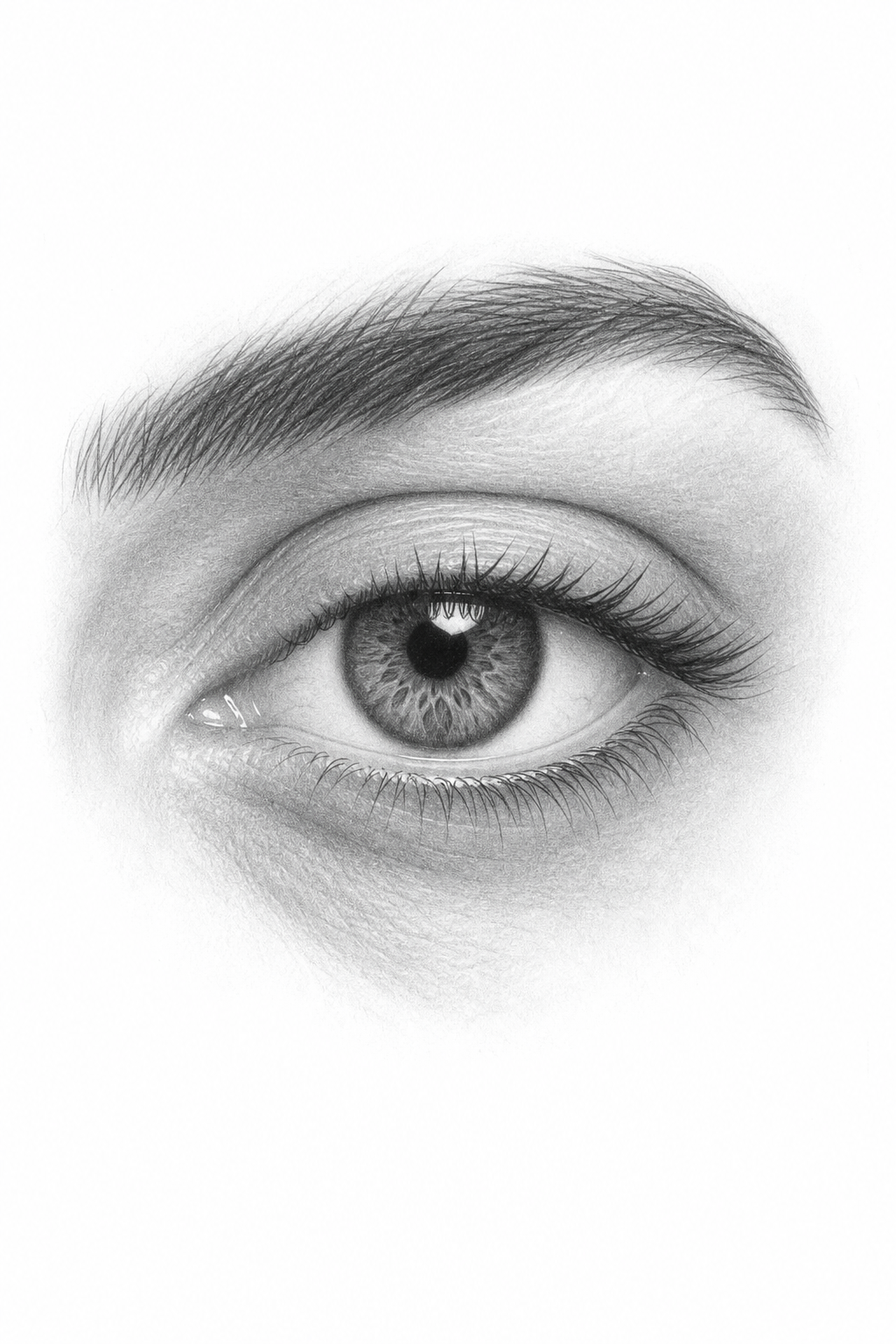

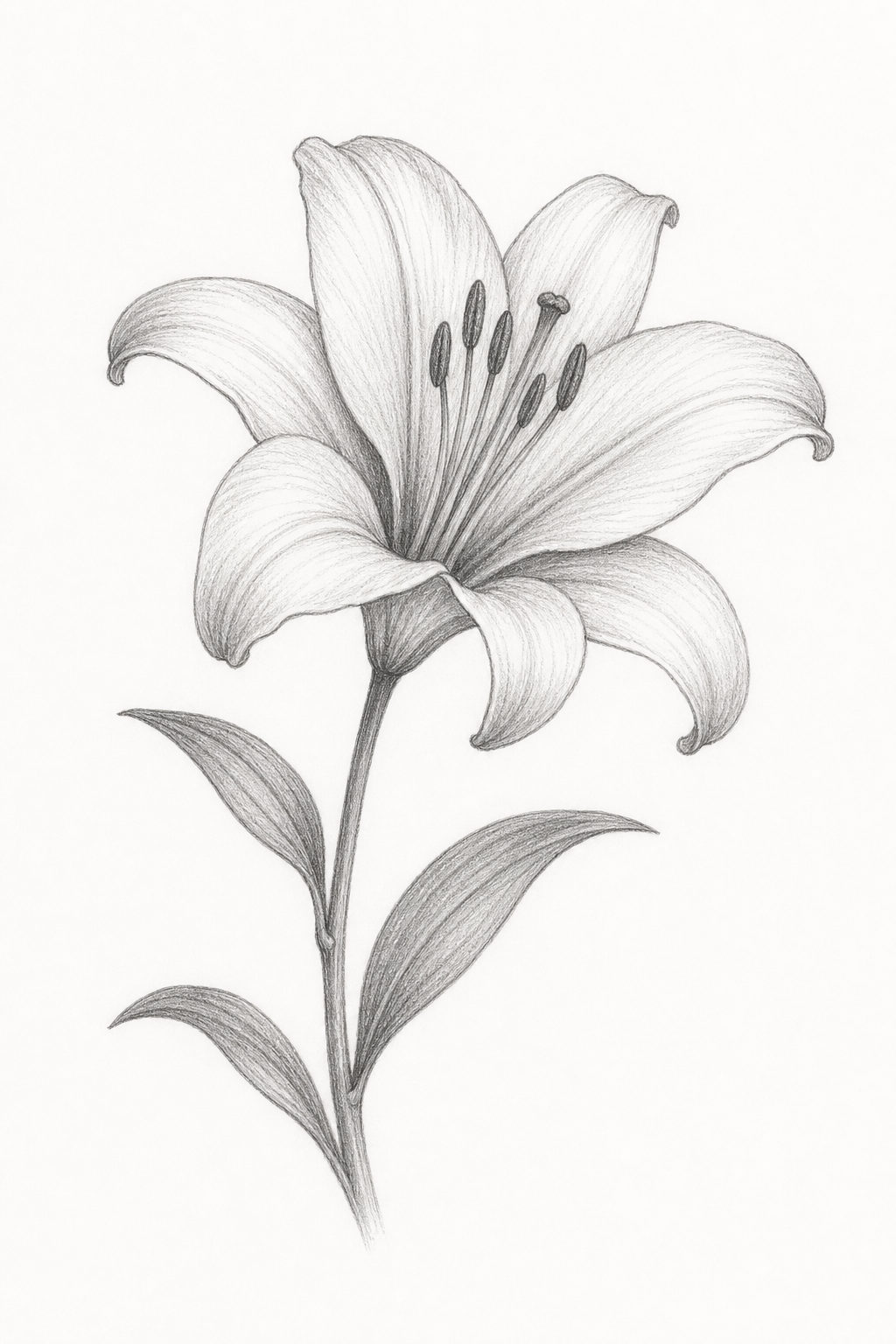
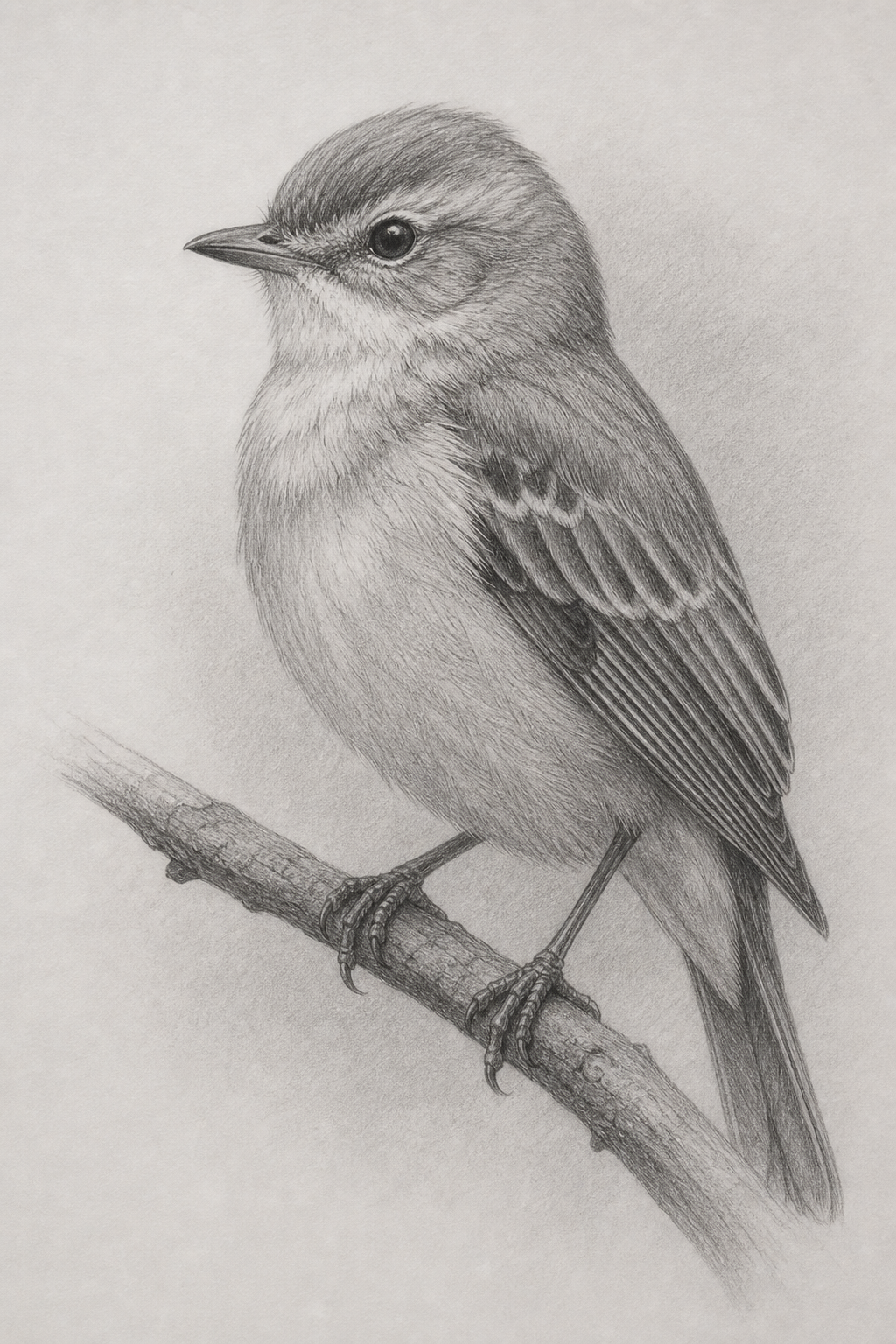
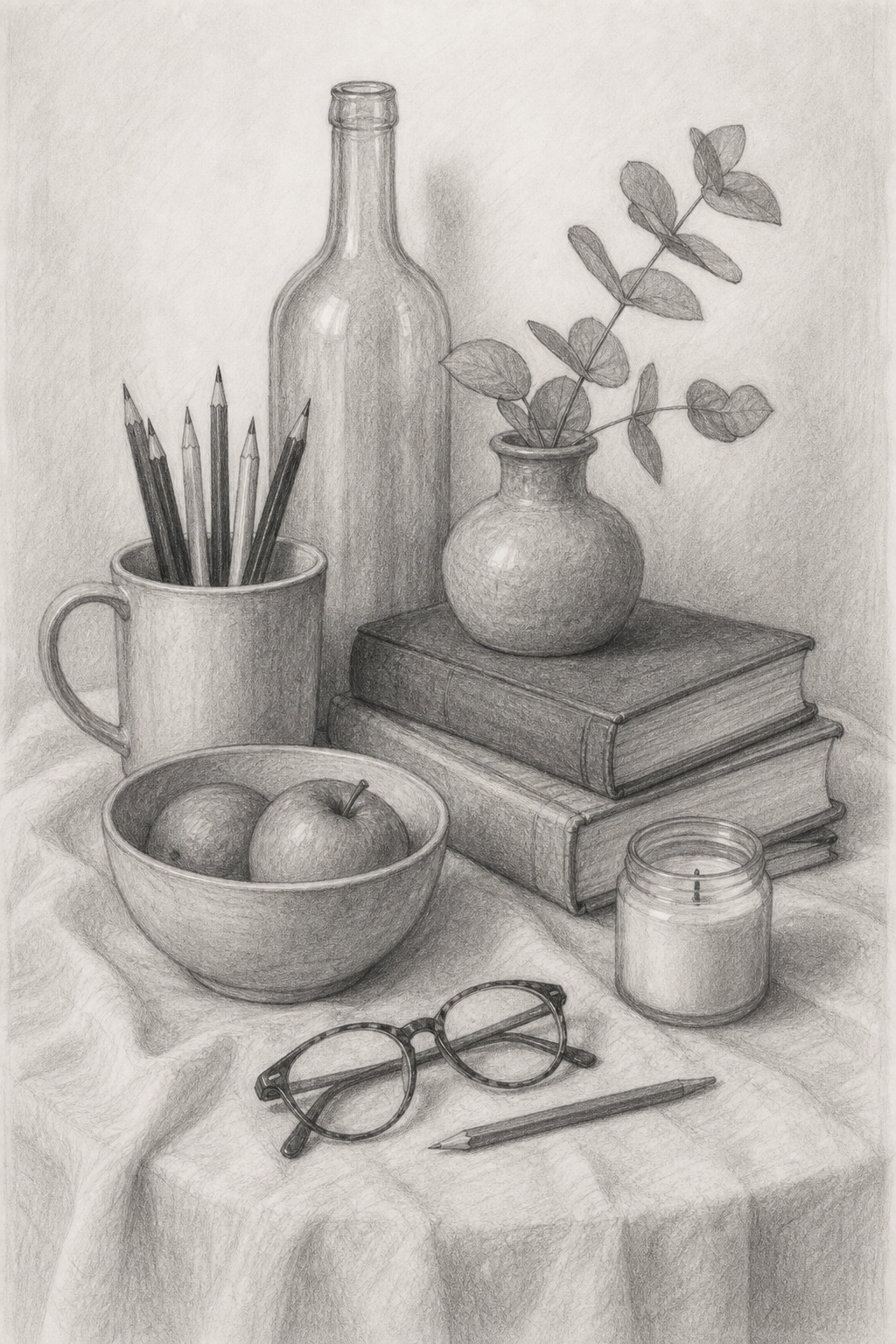
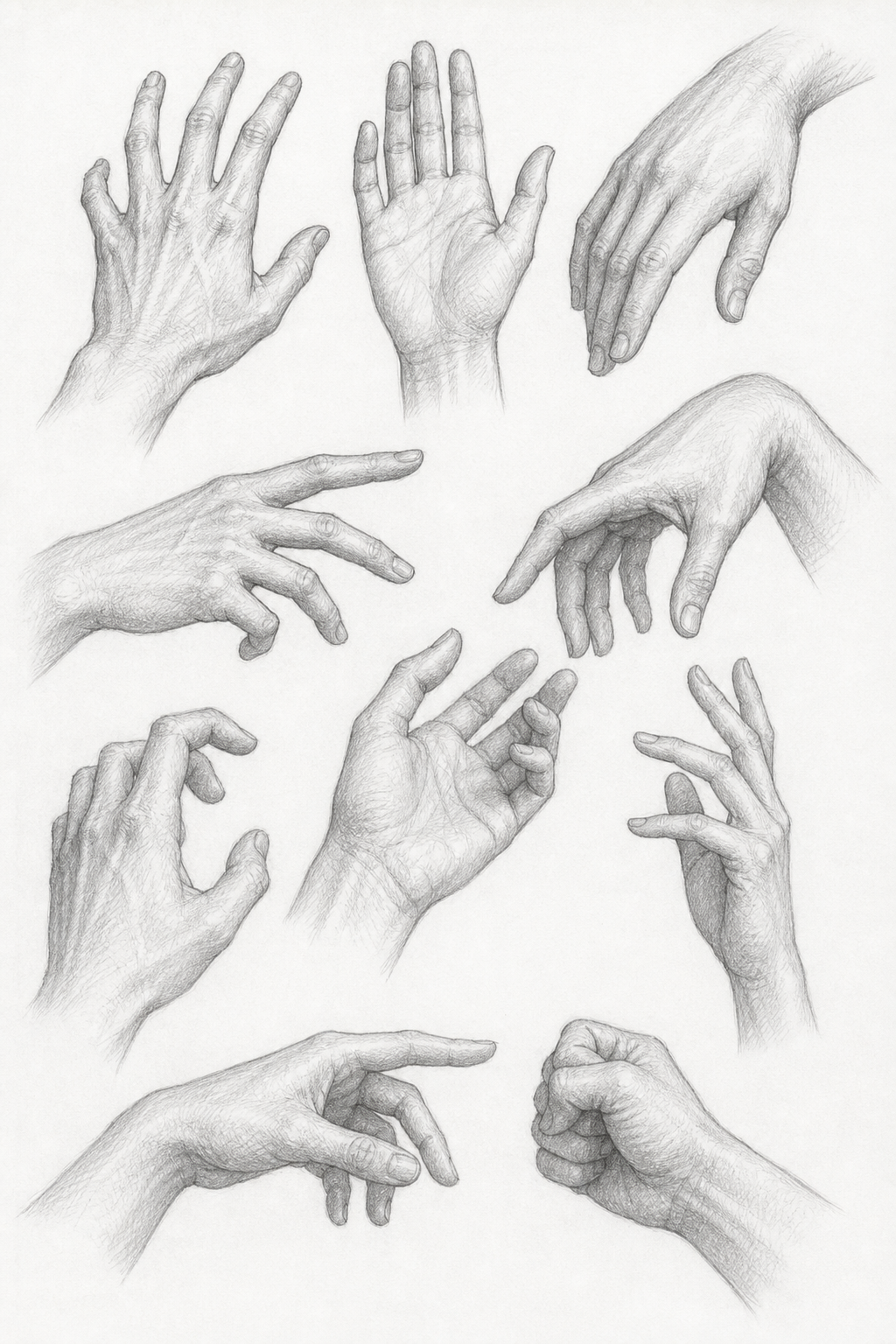
If you are collecting pencil drawings for inspiration but want clearer guidance on how to sketch them yourself, this is a practical resource to explore next.
Short answers to common questions beginners and casual artists often ask.
Eyes, leaves, simple flowers, mugs, fruit, and basic still life objects are all good starting points because they help you practice shape and shading without too much complexity.
Focus on values first. Clean light-to-dark shading, accurate proportions, and softer transitions usually matter more than adding extra detail.
No. A few pencils, an eraser, paper, and steady practice are enough for noticeable progress.
This often happens when the shadows are too light or uniform. Adding stronger contrast and paying attention to light direction can help create depth.
Yes. Many adults improve by practicing simple subjects consistently and using a method that breaks the process into manageable steps.